Introduction to the Rice Lake Plains

Welcome to the Rice Lake Plains and the world of habitat conservation in Canada's easternmost prairie landscape! This website will be an ongoing source of information on tallgrass prairie and savanna conservation in the area. It is a place to profile landowners and habitat projects and a way to get the word out about local tours, workshops, events and activities.

The website is brought to you by the Rice Lake Plains Joint Initiative - a partnership of local people, conservation groups and government agencies, all of whom share a vision: a landscape of protected, restored and sustainably managed tallgrass prairie and oak savanna ecosystems amid well-stewarded farmland, forest, wetland and riparian habitats of the Rice Lake Plains region. We are committed to being good neighbours in the community and to actively caring for our lands as a contribution towards a sustainable future for Northumberland County.

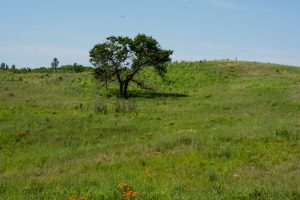
"A number of exquisite flowers and shrubs adorn these plains, which rival any garden in beauty. The trees, too, though inferior in size to those in the forests, are more picturesque, growing in groups or singly, at considerable intervals, giving a sort of park like appearance." Canadian pioneer writer and early Northumberland County resident Catharine Parr Traill wrote about the natural beauty of the Rice Lake Plains back in the middle of the 1830's. She was writing about a natural prairie landscape that dominated the hills in the middle of the County.

We know these habitats today as tallgrass prairie and oak savanna - ecosystems that thrive in dry, sandy conditions found in this area of the Oak Ridges Moraine. The Rice Lake Plains is home to Canada's easternmost prairie and is now the focus of a multi-partner conservation and stewardship project.

Photo by Alison Clark


Featured Property

Nature Conservancy of Canada, Hazel Bird Nature Reserve

On January 17, 2012, Canada's Minister of the Environment, the Honourable Peter Kent, announced the Nature Conservancy of Canada's successful acquisition of the Hazel Bird Nature Reserve - 117 hectares of land in Hamilton Township in Northumberland County, Ontario. This project was secured in part with funding from Environment Canada's Natural Areas Conservation Program.

"The Rice Lake Plains contain some of the largest examples of prairies and savannahs in Ontario. With this investment, we are taking action to protect and conserve our ecosystems and sensitive species for present and future generations," said Minister Kent.

The easternmost segment of the Oak Ridges Moraine is the area south of Rice Lake known as the Rice Lake Plains.

NCC Staff at Hazel Bird Nature Reserve
Historically, the Rice Lake Plains were dominated by prairie and savannas covering at least 17,200 hectares. In 1992, the Ontario Ministry of Natural Resources commissioned a survey of the tallgrass prairies of southern Ontario and this survey identified approximately 2,100 hectares of tallgrass communities remaining in this area. That is only about 12 percent of the original extent. The acquired property contains priority Black Oak savannah communities and documented habitat for Eastern Hog-nosed Snake and grassland birds. An assessment of birds in the Rice Lake Plains identified the property as significant for grassland birds, including the Whip-poor-will. It also is the site of one of the last documented populations of Wild Lupine (the primary food for Karner Blue butterfly) in the Rice Lake Plains, and will become a restoration area for this species.

"This project is possible through the incredible partnership with the Government of Canada and the generosity of private partners," said James Duncan, Ontario Regional Vice President of the Nature Conservancy of Canada." Nature Conservancy of Canada (NCC) is a non-for-profit land trust dedicated to protecting important wildlife habitats, including natural prairie and oak savanna habitats of the Rice Lake Plains portion of the Oak Ridges Moraine. NCC named the property after the late Hazel Bird, a well-known local conservationist who loved the property and spent much of her time there while working on her bluebird conservation project.

NCC plans to begin restoration work on the Hazel Bird Nature Reserve this winter. A local contractor will begin cutting non-native Scotch pine to control this invasive plant and restore grassland habitat. NCC will be holding an official "grand opening" of the property in the spring of 2012, and will be inviting local residents to join in the celebration.

History of Tall Grass Prairies and Rice Lake Plains

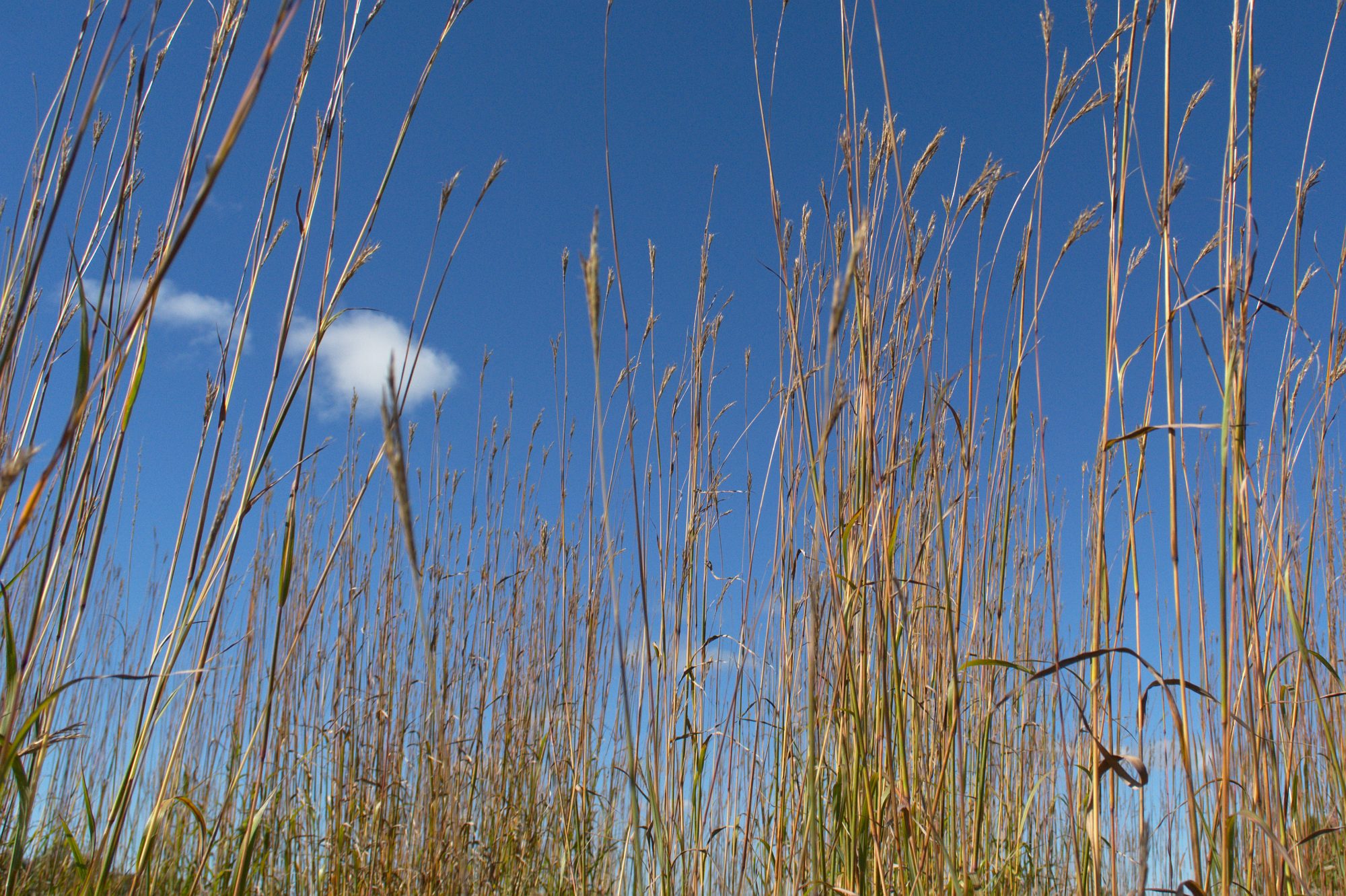
The Rice Lake Plains, one of the most intriguing areas on the Oak Ridges Moraine, is an area of roughly 100,000 acres (40,469 hectares) located at the eastern end of the moraine, southeast of Peterborough. Historically, The Rice Lake Plains were covered with tall grass prairies and oak savanna, dominated by massive Black and White Oak, where grasses like Big Bluestem, Indian Grass and Switchgrass grew more than two metres high and a diverse range of wildflowers blossomed.
Big Bluestem

Today, the oak savanna and tall grass prairie of the Rice Lake Plains are badly fragmented and overgrown with non-native species. Globally these habitats are rare, and oak savannas are considered among the most endangered ecological communities in North America. Grassland Birds and other rare species, including the Eastern Hog-nosed Snake, depend on this rare habitat to survive.

Fortunately, the stewards of the Rice Lake Plains, including private landowners, Alderville First Nation, conservation groups and governments, have taken care of the land. Pockets of natural prairie and savanna seedbed are still intact. Nature Conservancy of Canada (NCC) is collaborating with private landowners and conservation partners to help restore prairie and savanna in the Rice Lake Plains under the Rice Lake Plains Joint Initiative RLPJI. You can read more about the collaborative's conservation efforts in the RLPJI's publication, the Savanna Sentinel.

Cultural history also abounds on the Rice Lake Plains with links to early pioneer woman and writer Catherine Parr Traill, renowned biologist John Macoun and Canadian poet Archibald Lampman.

History of Tall Grass and Rice Lake Plains

Black Oak Savannah and Rice Lake Plains at NCC

UPCOMING EVENTS


For information on any upcoming events, contact Kristina.


Home          Contact Us      Site by Cobourg Internet